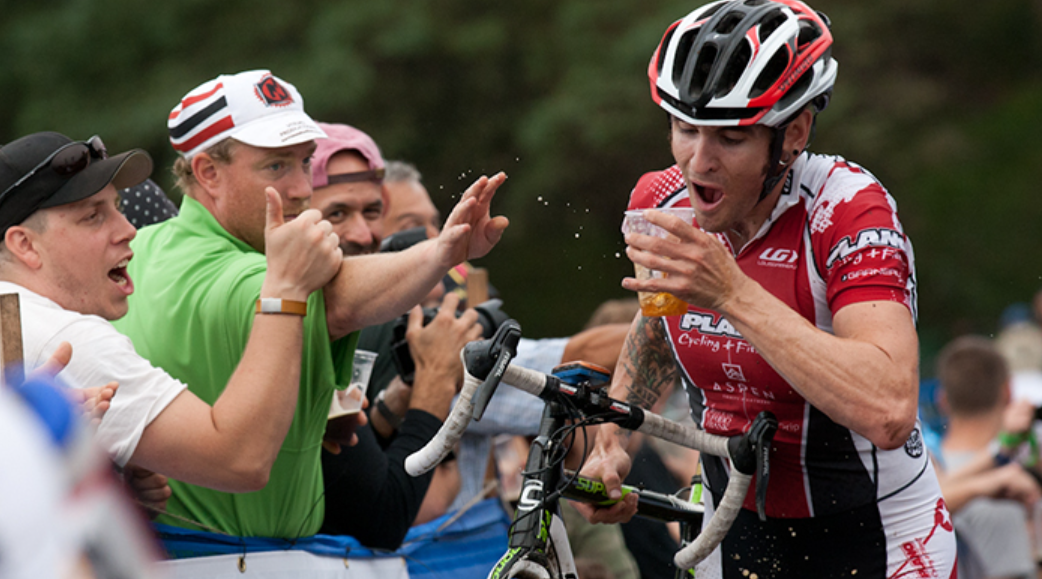

Winning feels electric. Even a hard-fought loss can bring that same rush once the whistle blows and the team gathers. Someone says, “Let’s grab a drink,” and it sounds harmless, even normal. For a lot of athletes, it is normal. It is part of the ritual.
But here is the thing. Your body does not care whether the drink came after a championship, a weekend league match, or a “we deserve this” night with teammates. If you trained hard, took hits, sweated a lot, and asked your muscles and nervous system to perform, alcohol changes what happens next.
That does not make every post-game drink a crisis. It does mean the recovery cost is real, and many athletes underestimate it. The problem starts when celebration gets mistaken for recovery, or when team bonding quietly turns into pressure, habit, and eventually a risk pattern.
This matters whether you are a student athlete, a gym regular, a runner, or someone playing competitive sport on weekends. Recovery is not just an elite sports word. It is your sleep, your mood, your soreness, your next session, and your long-term health.
Why post-game drinking feels so “normal”
Sports culture often treats alcohol like a reward button. You finish the game, you exhale, and the social script kicks in. Team dinners, bar nights, tournament weekends, sponsor events, clubhouse fridges, all of it can make drinking feel like part of the uniform.
And honestly, that is why this topic gets missed. The issue is not always heavy drinking in obvious situations. Sometimes it is “just a few” after every game, every Friday match, every win, every stressful stretch. Small patterns can still do damage when they stack up.
The celebration story vs the recovery reality
The celebration story says alcohol helps you relax, connect, and come down from the intensity. That part can feel true in the moment.
The recovery reality is different. Your body is trying to rehydrate, repair tissue, calm inflammation, restore glycogen, and shift into quality sleep. Alcohol pushes against several of those jobs at once.
It is a bit like finishing a tough shift, then spilling water into your laptop while it is running updates. The device might still work, but you are not helping the process.
Team bonding can be real and still be a problem
This is where people get defensive, and fair enough. Team bonding matters. Shared meals matter. Rituals matter. Community can improve performance and mental resilience.
But bonding and drinking are not the same thing. When alcohol becomes the only accepted way to connect, athletes who want to recover well, or who are trying to cut back, start feeling like outsiders. That pressure adds up fast.
What alcohol does to muscle recovery and physical repair
After intense activity, your body begins repair work almost immediately. Muscles need protein synthesis. Connective tissue needs support. Energy stores need replenishing. Hydration and electrolytes need attention. Alcohol disrupts that recovery window in practical, measurable ways.
You may still feel “fine” the next day, especially if you are young and fit. But feeling okay is not the same as recovering well.
Muscle repair slows down when recovery inputs get displaced
A common post-game pattern is simple: drinks first, food later, water maybe, sleep eventually. That sequence matters.
Alcohol can crowd out the basics your body actually needs after competition:
- fluids and electrolytes
- carbs to refill energy stores
- protein for muscle repair
- enough sleep to support hormone balance and healing
If you miss those, soreness can last longer and performance can dip in your next session. Athletes often blame training load, stress, or “just getting older” when part of the issue is the post-game routine.
See also: Can Poor Joint Health Affect Your Horse’s Performance?
Hydration loss gets worse, not better
Most athletes already finish games somewhat dehydrated, especially in heat, indoor courts, or long sessions. Alcohol does not solve that. It can make it worse.
That matters for more than thirst. Dehydration affects recovery, heart rate response, coordination, headaches, and how your body feels the next day. If you wake up heavy-legged, crampy, or unusually drained after a night of “celebrating,” hydration is usually part of the story.
In more serious situations, repeated alcohol use around athletic routines can overlap with broader health and dependency concerns. For people who recognize that pattern in themselves or someone close to them, programs such as Drug and Alcohol Rehab Pennsylvania may be part of the conversation.
Sleep is the hidden casualty athletes ignore
If there is one recovery pillar athletes talk about all the time now, it is sleep. Coaches track it. Wearables track it. Everyone says it matters. And then post-game drinking wipes it out.
Yes, alcohol can make you sleepy. That is not the same as quality sleep.
Sleep fragmentation wrecks the second half of the night
Many people fall asleep faster after drinking. Then they wake up more, toss around, or sleep lightly later in the night. That broken sleep hits recovery hard because deep sleep and stable sleep cycles support repair, hormone regulation, and nervous system recovery.
So you might get eight hours “in bed” but wake up feeling like you only got five. Athletes know that feeling. Heavy eyes, low motivation, weird mood, and a workout that feels harder than it should.
And when this happens repeatedly, it starts to affect consistency. One rough night is manageable. A season full of rough nights is a different story.
Poor sleep changes mood and decision-making too
This part gets less attention in sports spaces, but it matters a lot. Poor sleep after drinking can increase irritability, anxiety, low mood, and stress reactivity. That can shape how you train, how you respond to coaches, and how you deal with setbacks.
Sometimes the issue is not just a “hangover.” It is a cycle of fatigue, stress, and using alcohol again to unwind after feeling off. That cycle can become a pattern before you even realize it.
Team culture pressure is not always loud, but it is powerful
Not every athlete gets pressured by someone saying, “Drink or else.” Usually it is subtler than that. It is a joke. It is eye-rolls. It is called boring. It is the assumption that if you skip the bar, you are not a team player.
That pressure can be especially strong in amateur leagues, college settings, and social sports communities where the post-game hang is the main social event.
“I’m just being social” can hide a pattern
A lot of people use the same line because it feels true, and sometimes it is true. But if drinking happens after every game, every weekend, every emotional high, and every disappointing loss, it is no longer just a social extra. It is part of the coping system.
Watch for patterns like these:
- you feel weird or guilty skipping post-game drinks
- you drink more after losses to “take the edge off”
- you tell yourself you will have one, then have many
- your next training day keeps suffering, but the routine stays the same
That does not mean you are failing. It means you should look at the pattern honestly.
Athletes can struggle quietly because they “look disciplined”
This is a real blind spot. Athletes often appear high-functioning. They train, show up, compete, and keep moving. That can hide the fact that alcohol is messing with recovery, mood, or control outside the game.
When alcohol starts affecting performance and daily life, support matters. Some people need coaching changes and accountability. Some need structured treatment. In cases where substance use is becoming a deeper issue, resources like Substance Abuse Treatment in Idaho exist for a reason.
Celebration without recovery sabotage is possible
Let me explain. This is not about turning sports into a lecture. It is about separating two things that often get mixed together: celebration and self-sabotage.
You can celebrate. You can bond. You can be part of the group. But if you care about performance, health, and consistency, you need to stop pretending alcohol is neutral after hard exertion.
That sounds strict, but it is actually practical. Athletes already track gear, drills, nutrition timing, soreness, and sleep. Looking at post-game drinking is just part of the same picture.
What “recovery-first” thinking actually looks like
A recovery-first athlete asks simple questions:
- What does my body need in the next few hours?
- Will this help me sleep well tonight?
- How do I usually feel the morning after?
- Am I choosing this, or just following the team script?
That last question matters more than people think. Team culture is powerful. So is self-awareness.
The contradiction that makes sense
Here is a mild contradiction, and it is worth saying clearly. A single drink after a game does not automatically ruin recovery. But the habit of treating alcohol as a recovery ritual often does.
Both can be true.
The issue is less about one night and more about the pattern, the timing, and the amount. Athletes tend to think in extremes, all in or all out. Real life is messier than that. Still, the body keeps score.
The bigger point athletes should remember
Sports teach discipline, but they also create emotional swings. Big wins, bad losses, adrenaline spikes, sore bodies, social pressure, identity stuff, all of it can make post-game drinking feel bigger than “just a drink.” Sometimes it is about belonging. Sometimes it is about stress. Sometimes it is about numbing out while calling it celebration.
You know what? That does not make you weak. It makes you human.
But if you want your training to count, your recovery habits need to match your effort. The game ends when the clock runs out. Recovery starts right after. And alcohol, especially when it becomes routine, can pull you away from the very thing your body is trying to do next.
So the real question is not whether post-game drinking is common. It is. The better question is whether it is helping your recovery, or quietly sabotaging it.
For many athletes, the answer shows up the next morning. In your sleep. In your legs. In your mood. In your performance.
And once you see that clearly, it gets harder to ignore.


 By
By

 By
By