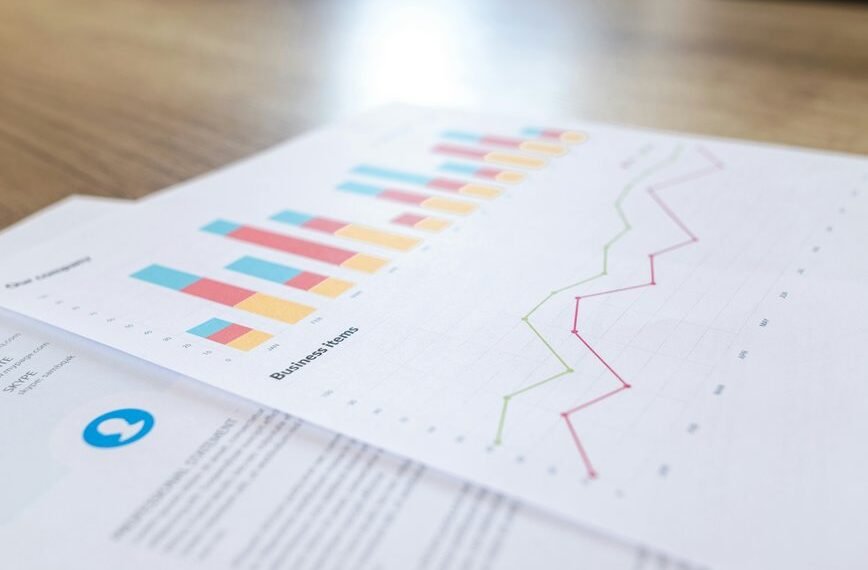

The Corporate Risk Analysis Report focuses on a series of identifiers that play a crucial role in understanding organizational vulnerabilities. It presents a detailed examination of risk assessment strategies and highlights the importance of accurate data categorization. The analysis reveals underlying market dynamics that can influence stakeholder engagement. As the discussion unfolds, the report unveils critical recommendations designed to enhance resilience in the face of evolving threats. Further insights await exploration.
Overview of Identifiers and Their Significance
Identifiers play a crucial role in corporate risk analysis, serving as essential markers that distinguish various entities, transactions, and processes within an organization.
Their significance extends beyond mere classification; they have profound corporate implications. By accurately categorizing data, organizations can enhance decision-making, streamline compliance, and mitigate risks.
Understanding identifier significance is vital for fostering transparency and ensuring accountability in corporate governance.
Risk Assessment and Vulnerability Analysis
While organizations strive to maintain operational efficiency, effective risk assessment and vulnerability analysis emerge as critical components in safeguarding corporate assets.
By identifying risk factors and employing vulnerability metrics, companies can systematically evaluate potential threats to their operations.
This analytical approach enables decision-makers to prioritize risk management strategies, ensuring that resources are allocated effectively to mitigate vulnerabilities and enhance overall organizational resilience.
Market Conditions and Strategic Opportunities
Current market conditions significantly influence corporate strategies, presenting both challenges and opportunities for growth.
Analyzing current market trends reveals shifts in consumer preferences and technological advancements that reshape the competitive landscape. Companies must adapt to these dynamics by leveraging innovative solutions and strategic partnerships, ensuring they remain agile and responsive to emerging opportunities while mitigating potential risks inherent in evolving market environments.
Recommendations for Stakeholders
Given the evolving market conditions outlined previously, stakeholders must adopt proactive strategies to navigate both the challenges and opportunities presented.
Enhanced stakeholder engagement is crucial for fostering collaboration and aligning interests.
Additionally, implementing robust risk mitigation frameworks will allow organizations to anticipate potential threats, ensuring resilience.
Conclusion
In conclusion, the Corporate Risk Analysis Report underscores the critical need for meticulous data categorization and proactive risk management strategies. By addressing potential vulnerabilities and adapting to market dynamics, organizations can not only safeguard their interests but also seize unprecedented opportunities for growth. The findings illustrate that failure to implement robust risk mitigation frameworks could lead to catastrophic consequences, highlighting the urgent necessity for stakeholders to prioritize continuous evaluation and engagement in an ever-evolving risk landscape.


 By
By