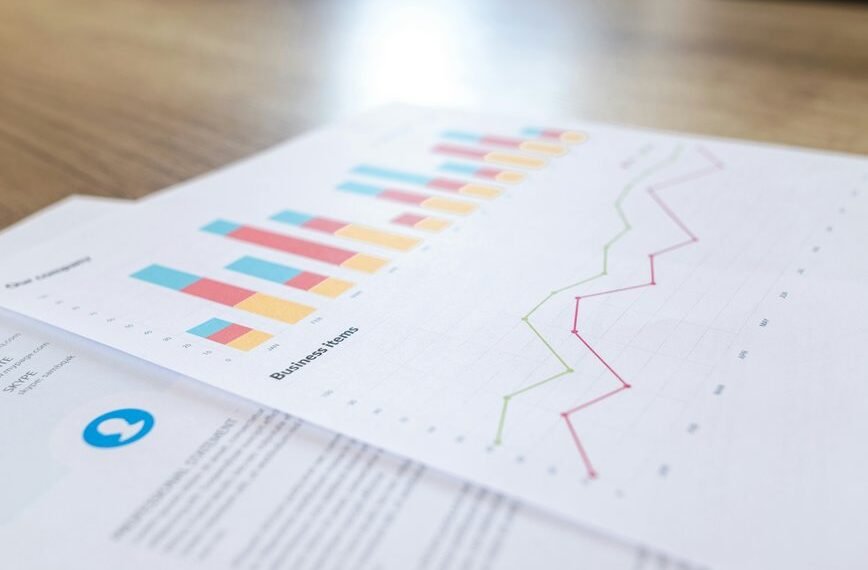

The Numeric Series Validation Dossier addresses critical aspects of data integrity for selected numeric sequences. Through systematic validation methodologies, including checksum verification and pattern analysis, potential discrepancies are examined. This examination plays a vital role in ensuring reliability and accuracy. The implications of these findings extend beyond mere validation, affecting broader business decisions. Understanding these dynamics could reveal significant insights into maintaining a competitive edge in an increasingly data-centric environment.
Overview of Numeric Series Validation
Numeric series validation is a critical process in data analysis and computational mathematics, serving to ensure the accuracy and integrity of numerical sequences.
This process involves the identification of numeric patterns and the application of various validation techniques, which collectively safeguard against errors.
Validation Methodologies Employed
While various methodologies exist for validating numeric series, the choice of technique often hinges on the specific characteristics and requirements of the data being analyzed.
Common validation techniques include checksum verification and pattern recognition, which help ensure data authenticity.
Analysis of Discrepancies and Patterns
Discrepancies and patterns within numeric series can reveal critical insights into data quality and underlying processes.
Through diligent pattern recognition, analysts can identify anomalies suggesting potential errors or irregularities.
Discrepancy analysis further enhances understanding by highlighting deviations from expected behaviors.
Together, these methodologies enable a comprehensive evaluation of the numeric series, facilitating informed decisions based on the observed data characteristics.
Implications for Data Integrity and Business Decisions
The integrity of data significantly influences business decisions, as reliable numeric series serve as the foundation for strategic planning and operational effectiveness.
Ensuring data security is paramount, as inaccuracies can undermine business analytics, leading to misguided strategies.
Organizations must prioritize data validation processes to maintain integrity, ultimately fostering informed decision-making and enhancing competitive advantages in a rapidly evolving market landscape.
Conclusion
In conclusion, the meticulous validation of numeric series, such as those examined in this dossier, reveals not just anomalies but also a profound connection between data integrity and strategic business outcomes. The coincidence of identifying patterns and discrepancies reinforces the necessity for rigorous validation methodologies. As organizations navigate the complexities of data-driven decision-making, the insights garnered from such analyses can significantly influence competitive positioning, highlighting the critical interplay between accuracy and informed strategy in today’s landscape.


 By
By