
The trajectory tracking outline for the specified unique identifiers emphasizes the integration of GPS technology and sensor networks for enhanced location accuracy. This systematic approach enables the collection of precise movement data, facilitating the analysis of patterns and trends. By leveraging predictive analytics, organizations can make informed operational adjustments. However, the methods and tools used to achieve these outcomes warrant further examination to fully understand their implications and potential applications.
Understanding the Importance of Unique Identifiers
Unique identifiers play a crucial role in the realm of data management and tracking systems. They provide distinct markers for assets, individuals, or processes, ensuring accurate data correlation.
The tracking significance of these identifiers is paramount, as they facilitate seamless information retrieval and enhance analytical capabilities. By employing unique identifiers, organizations can promote efficiency, reduce errors, and ultimately foster a culture of accountability and transparency.
Methodologies for Tracking Trajectories
Tracking trajectories involves the application of various methodologies that enable the precise monitoring and analysis of movement patterns over time.
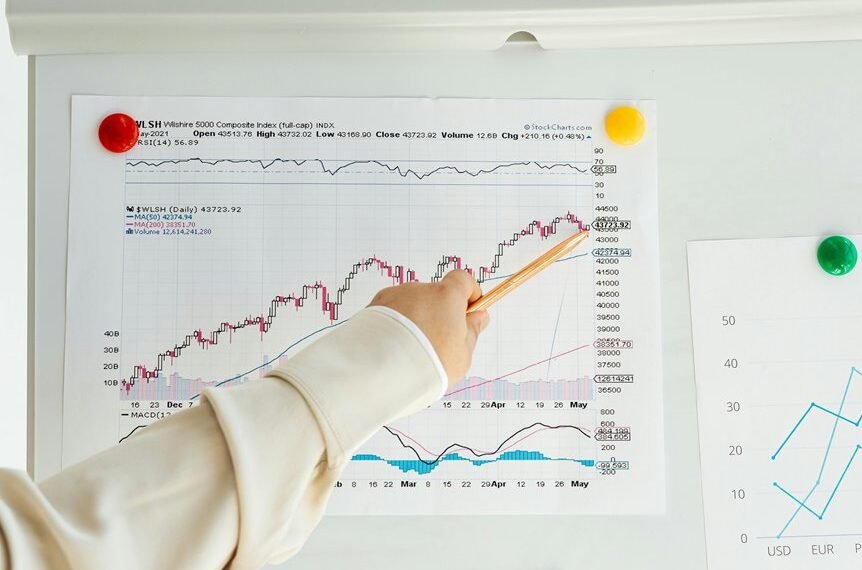
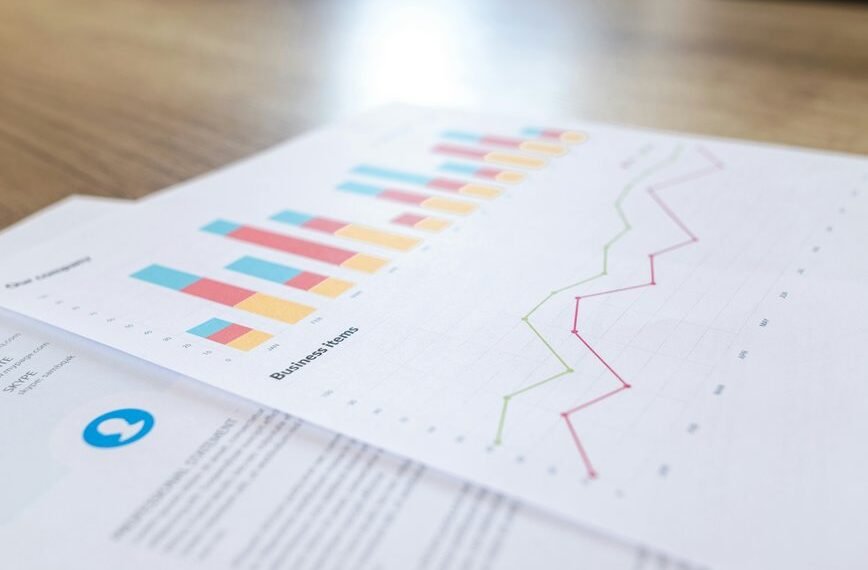
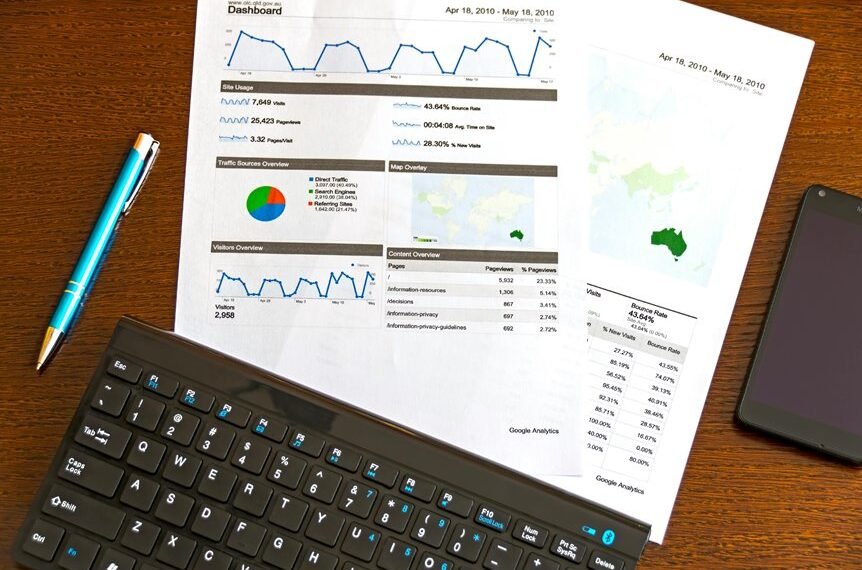
Key techniques include trajectory prediction, which forecasts future positions based on historical data, and data visualization, which transforms complex datasets into accessible graphical formats.
These methodologies empower analysts to discern trends, enhance decision-making, and promote a deeper understanding of dynamic systems in various contexts.
Tools and Technologies for Effective Monitoring
The effectiveness of trajectory tracking is significantly enhanced by the variety of tools and technologies available for monitoring movement patterns.
GPS technology and sensor networks facilitate precise location data, while cloud computing supports scalable data storage. Mobile applications enable real-time access to information, and data visualization techniques present insights clearly.
Additionally, IoT integration fosters seamless communication between devices, optimizing monitoring efficiency and responsiveness.
Analyzing Data Insights for Strategic Decision-Making
Leveraging data insights derived from trajectory tracking is crucial for informed strategic decision-making.
By employing data visualization techniques, organizations can effectively interpret complex datasets, enhancing clarity.
Predictive analytics further empowers decision-makers by forecasting future trends based on historical data.
This combination enables a proactive approach, allowing leaders to navigate uncertainties and seize opportunities, ultimately fostering an environment where strategic freedom thrives.
Conclusion
In conclusion, the application of GPS technology and sensor networks for tracking unique identifiers underscores the critical importance of precise location data in contemporary organizational practices. By systematically analyzing movement patterns through data visualization and predictive analytics, organizations can uncover valuable insights that drive informed decision-making. This structured approach not only enhances operational efficiency but also cultivates a culture of accountability, ultimately transforming data into actionable strategies that align with long-term objectives and foster sustainable growth.


 By
By