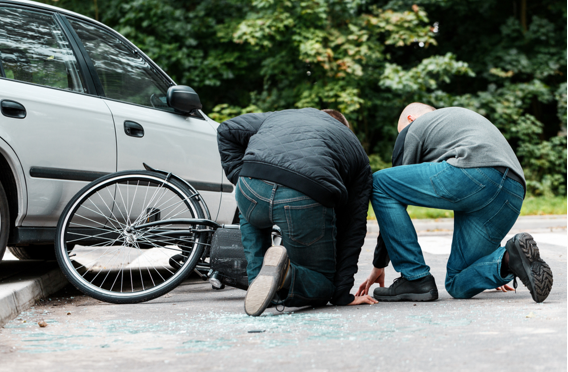

Courts apply a structured analysis of duty of care, compliance with traffic laws, causation, and documented harm. Each action taken before and during the crash is evaluated against established legal standards. What may seem minor at the roadside can carry significant weight once the evidence is formally reviewed, which is why guidance from a bicycle accident lawyer can help ensure the facts are carefully examined and properly presented.
What drivers commonly overlook at the scene
Drivers sometimes underestimate the legal rights of cyclists. Traffic laws generally recognize cyclists as lawful road users with rights and responsibilities similar to those of drivers. Ignoring this status can affect how liability is viewed after a collision.
Minor traffic violations are also taken seriously in court. Actions such as failing to signal, rolling through a stop sign, or passing too closely may support a finding of negligence if they contributed to the crash.
Injury severity is evaluated through medical evidence, not vehicle damage. Even low-speed impacts can cause serious harm to a cyclist.
The duty of care courts expect from drivers
Every driver has a legal duty to operate a vehicle with reasonable care. This duty becomes even more important around vulnerable road users such as cyclists. The law expects drivers to remain alert, maintain a safe distance, observe traffic signals, and anticipate predictable behavior from others on the road.
Courts evaluate whether a driver acted as a reasonable person would under similar circumstances. This is not based on personal belief or intent. It is an objective standard. The question is whether the driver’s conduct met the level of caution that the law requires.
If a driver failed to check blind spots before turning, opened a car door into a cyclist’s path, or passed without allowing sufficient space, the court will analyze those actions carefully. The focus remains on whether the duty of care was breached, not on whether the driver meant to cause harm.
Evidence courts examine closely
A courtroom does not rely on opinions. It relies on proof. In bicycle accident cases, several types of evidence often shape the outcome:
- Official accident or police reports that describe the scene.
- Medical records detailing injuries and treatment.
- Photographs or video recordings from traffic cameras or nearby buildings.
- Data from vehicles or electronic devices.
- Statements from witnesses who observed the collision.
Courts compare these sources to check for consistency. If a driver’s statement conflicts with physical evidence, that inconsistency can weaken credibility. Medical documentation is also reviewed carefully to connect the crash to the injuries claimed. Judges and juries want to see a clear line between the driver’s actions and the harm that followed.
The strength of the evidence often determines how a bike accident law progresses. Clear documentation can support a finding of liability, while gaps or contradictions can complicate the case.
See also: Transforming Hotels, Villas, Offices & Restaurants with SUNSGOODS
Right of way and shared responsibility
Many bicycle collisions involve disputes about who had the right of way. Drivers may believe they have priority at an intersection or during a turn. Courts do not rely on belief. They look at traffic signals, lane markings, speed, and positioning.
If a cyclist was traveling lawfully in a designated lane and a driver failed to yield, that fact carries weight. If both parties violated traffic rules, courts may apply comparative fault principles. This means responsibility can be divided based on each party’s contribution to the crash.
Drivers often overlook how carefully courts calculate fault. It is not an all-or-nothing decision in many cases. Percentages of responsibility can directly affect the amount of compensation awarded. Small details such as signaling, speed, and visibility can influence this calculation significantly.
The long-term impact courts consider
Drivers sometimes focus only on immediate consequences, such as repair costs or initial medical visits. Courts examine the broader impact of the injuries. They review medical treatment plans, recovery time, physical limitations, and the effect on a person’s ability to work.
Lost income, ongoing therapy, and long-term physical impairment are evaluated carefully. Pain and suffering are also considered, though they must be supported by evidence and testimony. The legal system recognizes that the effects of a bicycle collision can extend far beyond the day of the crash — something a bicycle accident lawyer often addresses when documenting long-term damages and financial impact.
This broader view often surprises drivers who assumed the incident was minor. Once damages are documented and presented clearly, the financial exposure in a bike accident lawsuit may be greater than expected.
Wrap Up!
In bicycle accident cases, courts apply established legal standards rather than relying on initial impressions. Judges and juries carefully assess duty of care, breach, causation, and damages through the evidence presented. The central question is whether the driver met the required standard of care and whether any failure directly caused measurable harm.
Ultimately, liability is determined by documented facts, supported evidence, and proven loss. Clear proof, not assumptions, guides the final outcome.


 By
By



 By
By