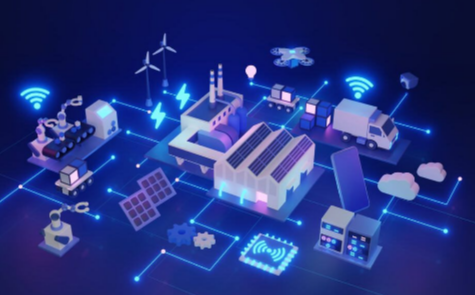

Edge technology represents a shift in how data is processed and utilized. By bringing computation closer to data sources, it effectively reduces latency and enhances performance. This proximity allows for immediate responses to user interactions and real-time data handling. However, the implications of these advancements on operational efficiency and competitive positioning remain to be fully explored. What specific applications exemplify these benefits, and how might they redefine industry standards?
The Fundamentals of Edge Computing
Although edge computing has gained significant traction in recent years, its fundamental principles are rooted in the need to process data closer to the source, thereby reducing latency and improving response times.
This approach leverages edge architecture to utilize local resources effectively, enabling efficient data handling.
Benefits of Reduced Latency
Reduced latency is a primary advantage that emerges from the implementation of edge computing, fundamentally transforming how data is processed and utilized.
By minimizing delays in data transmission, network efficiency is significantly enhanced, leading to a smoother user experience.
This optimization allows applications to respond more swiftly, empowering users with greater control and responsiveness, ultimately fostering a more liberated and efficient digital environment.
Real-Time Data Processing Applications
How can organizations harness the power of real-time data processing applications to enhance their operations?
By leveraging data analytics and IoT integration, businesses can analyze vast streams of information instantaneously. This capability enables timely decision-making, improved customer experiences, and optimized resource allocation.
Ultimately, real-time data processing applications empower organizations to respond dynamically to market changes, ensuring greater operational efficiency and competitiveness.
Read Also: How Blockchain Improves Supply Chain Technology
Future Trends in Edge Technology
What emerging innovations are poised to shape the future of edge technology?
As edge analytics gains traction, decentralized networks will facilitate real-time data processing closer to the source. This shift not only enhances speed but also empowers users with greater control over their data.
The convergence of these advancements may redefine operational frameworks, fostering a landscape where agility and decentralization are paramount in technology deployment.
Conclusion
In conclusion, edge technology acts like a high-speed expressway for data, significantly enhancing speed and performance by minimizing latency and optimizing resource management. This proximity to data sources allows for instantaneous analysis and swift decision-making, ultimately transforming user experiences and operational efficiency. As organizations increasingly adopt these innovations, they not only bolster their competitive edge but also pave the way for future advancements in real-time data processing, reflecting an evolving digital landscape.


 By
By
 By
By


 By
By